Acne is something all of us go through in our lifetime. It's not just about having skin problems when you're a teenager; it's also something many adults have to struggle with. The minute you see that breakout staring at you in the mirror, it can alter everything about the way you feel about yourself and your day.
Acne is an extremely common skin condition that occurs because your pores become clogged with oil and dead skin. But it is treatable once you know the right approach for your skin.

Finding the best treatment for acne isn't an overnight miracle cure but knowing how your skin works and taking proper care of it day in and day out.
The first step to clear skin begins with education. Thousands of products are offered on the market today, and many people feel overwhelmed by such an offering. You walk into an acne care shop and may feel lost among all the bottles and labels.
The fact is, a successful acne treatment plan does not necessarily have to be complicated. With the right acne care routine and patience with your skin, you will reduce inflammation, clear up existing spots, and stop new ones from developing in the future.
This guide is here to simplify that process for you by using clear language and practical advice to fit into your daily life.
The Basic Science Behind Why Breakouts Happen
In treating acne, we first have to understand why it happens. Your skin is covered in tiny openings called pores. Underneath these pores are sebaceous glands which make a natural oil called sebum. In an ideal situation, sebum travels up the hair follicle and onto the surface of the skin to keep it moisturized and protected.
However, a number of things can go wrong in this process. Sometimes, your body produces too much oil. The extra oil can act like a glue trapping dead skin cells inside the pore instead of letting them shed naturally.

Once this pore becomes clogged, it becomes the perfect environment for a type of bacteria known as P. acnes to grow. This bacteria lives on everyone's skin, but once it finds its way into a clogged pore, it creates that redness and swelling associated with a pimple.
Therefore, most treatments for acne typically work by trying to achieve three major goals: reducing oil production, aiding skin cells in their shedding process, and killing bacteria that cause inflammation.
Factors such as your genetics, stress levels, and changes in hormones can all affect just how active your oil glands are, and that is why acne, for many people, is a long-standing condition.
Differentiating the Various Types of Acne
Not all acne is the same, and knowing what you are dealing with helps you choose the right acne treatment products. Some people only get non-inflammatory acne, including whiteheads and blackheads. These occur when the pore is clogged but without major swelling or infection.
Blackheads are “open” clogs in which air has darkened the oil, while whiteheads are “closed” under a thin layer of skin. These tend to be the easiest to manage with a basic routine of acne care.
Inflammatory acne includes red bumps known as papules and pus-filled spots known as pustules. These are more visible and can be tender to the touch. The most severe forms are the nodules and cysts, which are large, painful lumps that sit deep under the surface of the skin.
Due to the fact that such deep blemishes may leave permanent scarring, they often call for a more intensive acne treatment plan; quite often, this involves a visit to see a dermatologist.

Understanding the grade of your acne—whether it is mild, moderate, or severe—is the first step in deciding which acne serum or acne clear face cream will be most effective for you.
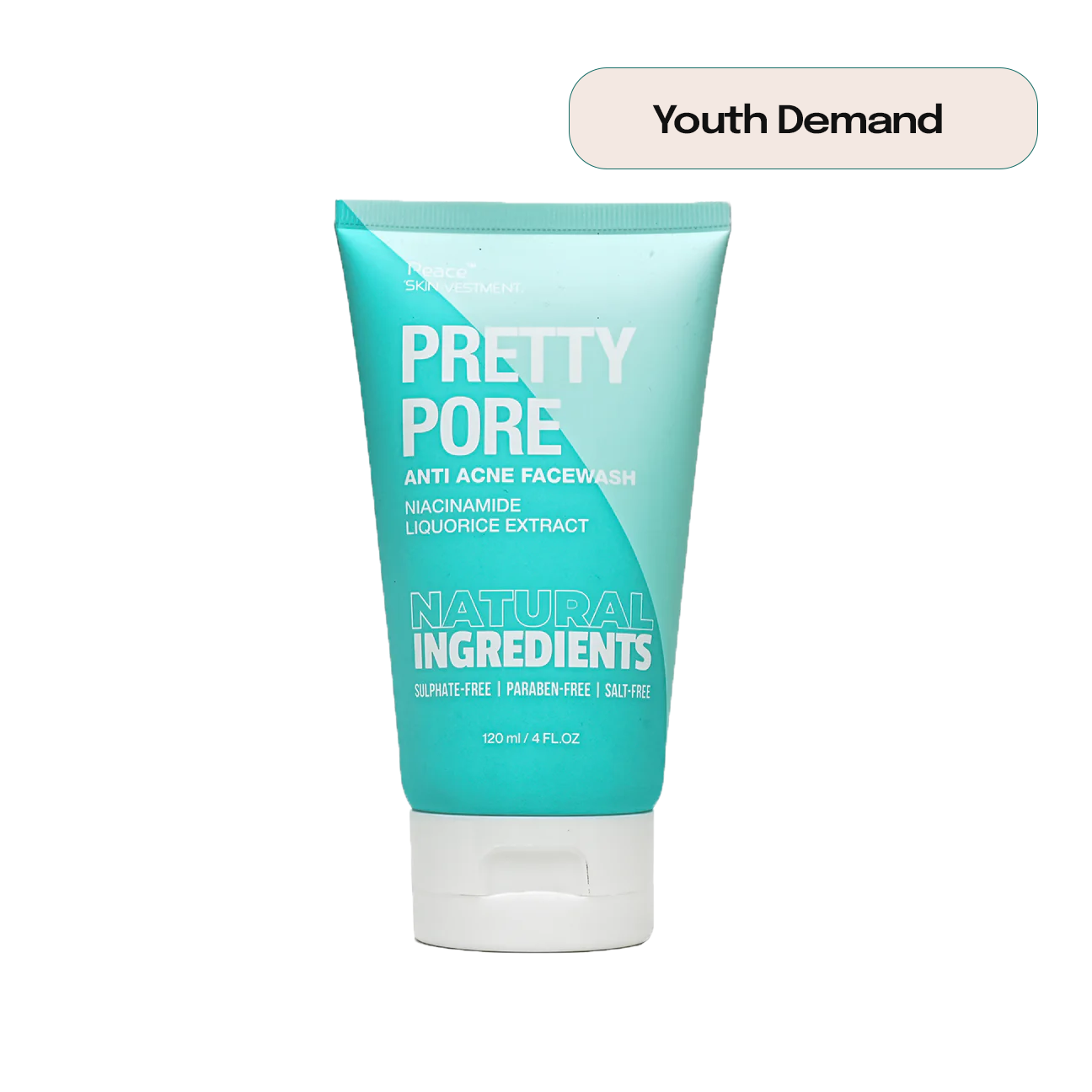
Step 1: Cleanse with an Acne Safe Face Wash
The skin routine is all about a clean surface to start off with. Yet, there is a lot of difference between skin being clean and “stripped.” One major mistake people make is using very harsh soaps after washing that make the skin tight and dry.
When you take away all natural oils, your skin goes into a panic mode by producing even more oil for protection, which results in yet another breakout. This is why choosing an acne-safe face wash is crucial. You want a product that clears the dirt and extra sebum but at the same time keeps the natural barrier of your skin healthy.
An acne clear face wash usually contains either Salicylic Acid or Benzoyl Peroxide. Salicylic Acid is great because it is “oil-soluble” which simply means that it can actually get inside the oily pore to dissolve the “glue” that causes clogs. Benzoyl Peroxide is great for killing the bacteria on the surface of the skin.
When using these products, it is best to wash your face for at least 60 seconds to give ingredients time to work. Always use lukewarm water as hot water increases irritation and may make your acne treatment less comfortable.
Step 2: Addressing the Problem with an Acne Serum
Once your skin is clean, it is the perfect time to add in a treatment that can really soak in deeply. This is where an acne serum comes into play. Serums are lightweight liquids that carry powerful ingredients directly into the skin.
Because they are not thick like a cream, they have the ability to penetrate deeper. Many find that a serum is an indispensable part of their acne care routine since it does its work at the cell level, avoiding future breakouts in pimples.
Common ingredients found in a high-quality acne serum include Niacinamide and Retinoids. Niacinamide is a form of Vitamin B3 that is famous for calming redness and regulating oil production.

Retinoids, which are derived from Vitamin B, help your skin cells turn over faster, preventing the dead skin from clogging your pores in the first place.
With these acne treatment products, you are not just sitting around waiting for a pimple to come up so you can treat it; you are stopping the pimple from ever starting. This proactive approach is the secret to long-term clear skin.
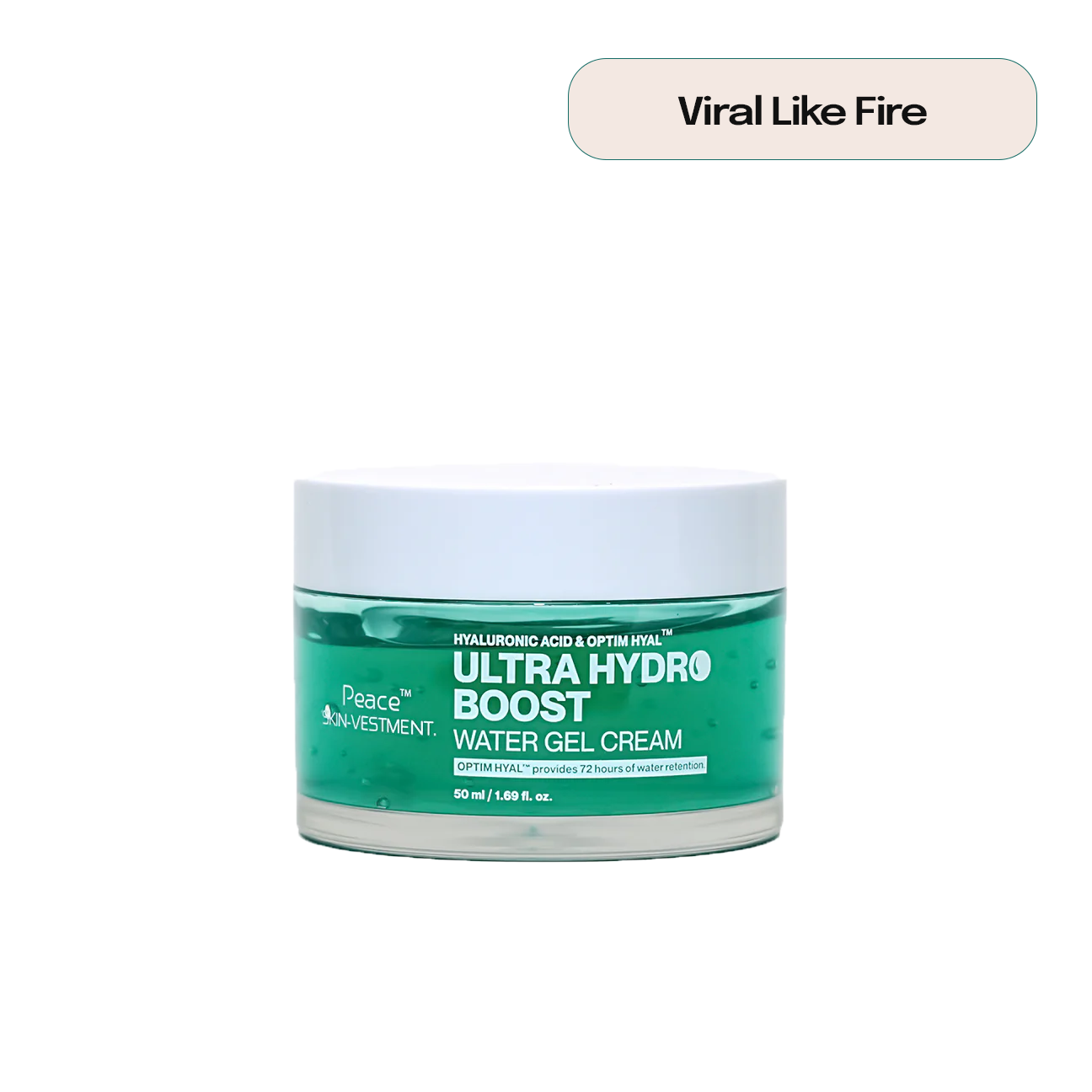
Step 3: Acne Moisturizer - Caring for Your Skin
It may sound odd to apply moisturizer onto oily, blemished skin, but it is an important step. Many active ingredients for treating acne can have a drying effect. If your skin becomes too dry, irritated, red, and flaky, the blemishes appear far worse.
An acne moisturizer has a special formula to hydrate skin without adding greasy oils that may block your pores. You should always look for a label that says “non-comedogenic” which means that this product has been tested to not cause breakouts.
Summary
Acne is something many people deal with, but the good news is that it can be managed once you understand how your skin works. Breakouts usually happen when excess oil and dead skin clog your pores, which allows bacteria to grow and cause inflammation.
Different people experience different types of acne, from blackheads and whiteheads to deeper and more painful spots, so choosing the right routine is very important. Clear skin starts with a gentle acne-safe face wash that cleans the skin without stripping it.

Adding a lightweight acne serum from peaceskinvestment helps control oil, calm redness, and prevent clogged pores.
Finishing with a non-comedogenic moisturizer keeps the skin balanced and protected. With a simple routine, patience, and the right products, you can support your skin and work toward a clearer and healthier complexion for all skin types.